
8/1/2025 • By Deepak YADAV
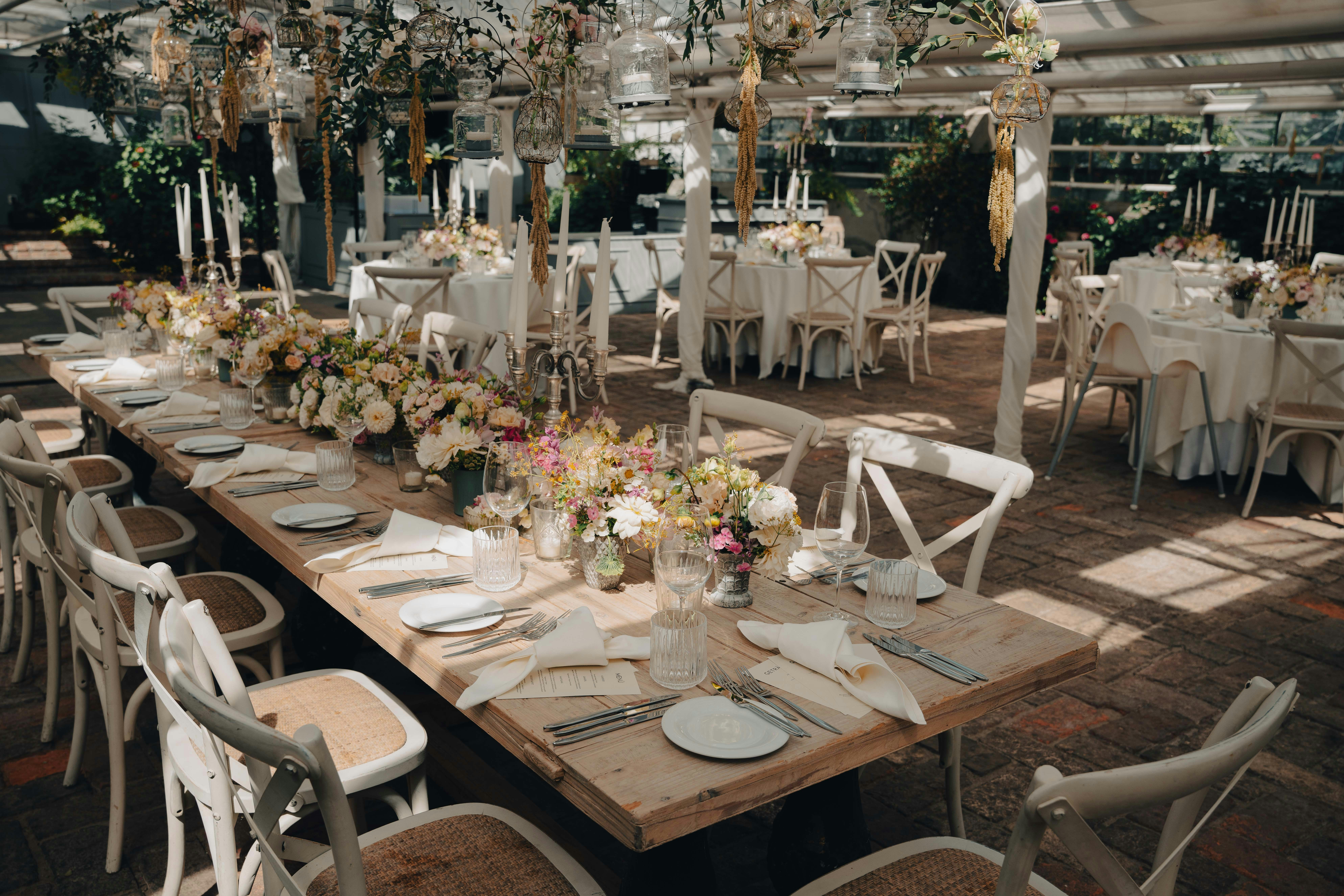
Table of Contents
Choosing the perfect wedding venue is more than just selecting a beautiful backdrop for your ceremony and reception. The venue sets the overall tone and atmosphere of your wedding day, influencing everything from the style and theme to the logistics and guest experience. It is the canvas upon which all other elements of your wedding will be painted, making it a pivotal aspect of your planning process. The right venue can enhance the beauty of your nuptials, provide comfort for your guests, and create a seamless flow for the day's events.
Moreover, the wedding venue often dictates the scope of other crucial decisions, such as the size of your guest list, the type of catering available, and the amount of decoration needed. A grand ballroom, for example, may require more elaborate decor to fill the space, whereas a garden venue might already provide natural beauty that needs minimal enhancement. Understanding the importance of your venue helps you prioritize what matters most to you and your partner, ensuring that your wedding day reflects your unique love story.
Additionally, your venue choice can have a significant impact on your budget, timeline, and overall planning experience. Certain venues offer all-inclusive packages that can simplify the planning process, while others may require you to coordinate multiple vendors independently. Being aware of these factors from the beginning can help you make an informed decision that aligns with your vision and logistical needs, ultimately leading to a more enjoyable and stress-free wedding day.

Setting a realistic budget for your wedding venue is a critical step in the planning process. The venue will likely be one of the most significant expenses of your wedding, accounting for a substantial portion of your overall budget. To ensure you can afford the venue of your dreams without compromising other aspects of your wedding, it's essential to establish a clear budget from the outset. Begin by determining your total wedding budget and then allocate a specific percentage to the venue, typically around 40-50%.
Once you have a budget in mind, consider the various costs associated with the venue. These may include the rental fee, catering, beverages, service charges, taxes, and any additional amenities or services the venue provides. It's also important to factor in potential hidden costs, such as overtime fees, corkage fees, and setup or breakdown charges. By accounting for all these expenses, you can create a comprehensive budget that ensures you won't face any unwelcome financial surprises as your wedding day approaches.
It's also wise to leave some wiggle room in your budget for unexpected expenses or last-minute changes. This flexibility can give you peace of mind and allow you to make adjustments as needed without feeling financially strained. Being realistic about your budget and sticking to it will enable you to find a venue that meets your needs while leaving room for other important elements of your wedding, such as attire, decor, and entertainment.
Before you start touring potential venues, it's crucial to determine the style and theme of your wedding. Your venue should complement the aesthetic you envision for your big day, creating a cohesive and harmonious experience for you and your guests. Whether you're dreaming of a rustic barn wedding, an elegant ballroom affair, or a beachside celebration, having a clear vision of your wedding style will help narrow down your venue options and ensure the space enhances your overall theme.
Start by discussing your preferences with your partner. Consider your personalities, interests, and the type of atmosphere you want to create. Are you both nature lovers who would appreciate an outdoor ceremony surrounded by greenery? Or do you prefer the timeless elegance of a historic mansion? Your wedding style should reflect your unique relationship and the story you want to tell through your celebration. Once you have a clear idea of your desired theme, you can begin searching for venues that align with that vision.
Additionally, think about the color palette, decor, and overall vibe you want to achieve. Some venues, such as art galleries or industrial lofts, offer a blank canvas that can be transformed to fit any theme, while others, like vineyards or botanical gardens, come with built-in charm and character. By matching your venue to your wedding style, you'll create a seamless and memorable experience that resonates with your guests and brings your dream day to life.
When it comes to choosing the perfect wedding venue, several key factors should guide your decision-making process. First and foremost is the venue's capacity. Ensure the space can comfortably accommodate your guest list, allowing enough room for seating, dining, and dancing. A cramped venue can make for an uncomfortable experience, while a venue that's too large may feel empty and lack intimacy. Consider the layout and flow of the space to ensure it suits your planned activities and allows for easy movement throughout the event.
Another critical factor is the venue's location and accessibility. Choose a venue that is convenient for the majority of your guests, taking into account travel distances, accommodation options, and transportation availability. If your venue is in a remote location, consider arranging transportation or providing detailed directions and parking information to ease the journey for your guests. Additionally, think about the venue's weather contingency plans if you're planning an outdoor wedding, ensuring there are suitable indoor options in case of inclement weather.
Finally, consider the venue's amenities and services. Some venues offer all-inclusive packages that can simplify your planning process, providing everything from catering and bar services to tables, chairs, and linens. Others may require you to bring in outside vendors for these elements, giving you more flexibility but also adding to the coordination effort. Evaluate what each venue includes and what you'll need to arrange separately, ensuring it aligns with your preferences and budget. By considering these key factors, you can find a venue that meets your needs and enhances your wedding day experience.
Wedding venues come in all shapes and sizes, each with its own unique advantages and potential drawbacks. Understanding the pros and cons of popular types of venues can help you make an informed decision that aligns with your vision and logistical needs. Here's a look at some common wedding venue types and what you can expect from each:
Ballrooms and hotels are popular choices for couples seeking a classic and elegant setting. These venues often come with all-inclusive packages, including catering, bar services, and accommodations for guests. The convenience of having everything in one place can simplify planning and reduce stress. However, ballrooms and hotels may have a more formal atmosphere, which may not suit couples looking for a more relaxed or unique vibe. Additionally, these venues can be on the pricier side, especially in urban locations.
For couples dreaming of a rustic or country-themed wedding, barns and farms offer a charming and picturesque setting. These venues often come with natural beauty and outdoor spaces that require minimal decoration. However, barns and farms may require more logistical planning, such as arranging for portable restrooms, lighting, and heating or cooling. Additionally, these venues may be more weather-dependent, so having a solid backup plan is essential.
Beach and waterfront venues provide a stunning backdrop for a romantic and scenic wedding. The natural beauty of the water and surrounding landscape can create a relaxed and intimate atmosphere. However, beach weddings come with their own set of challenges, including potential issues with weather, sand, and tides. Accessibility for guests and obtaining necessary permits can also be considerations. Additionally, you'll need to think about the logistics of setting up and breaking down your event in an outdoor setting.
Gardens and outdoor venues offer a beautiful and natural setting for your wedding, often with lush greenery and blooming flowers. These venues can provide a romantic and serene atmosphere, perfect for couples who love the outdoors. However, outdoor venues are highly weather-dependent, so having a backup plan is crucial. You'll also need to consider factors such as insects, accessibility, and the logistics of setting up tents, seating, and other essentials.
Historic mansions and estates provide a timeless and elegant setting for a wedding, often with stunning architecture and beautifully manicured grounds. These venues come with a sense of grandeur and history, creating a memorable backdrop for your nuptials. However, they can be more expensive and may have restrictions on decor and alterations to preserve the integrity of the property. Additionally, these venues may have limited availability due to their popularity and historical significance.
For couples seeking a modern and unique setting, industrial lofts and warehouses offer a blank canvas that can be transformed to fit any theme. These venues often feature exposed brick, high ceilings, and an urban vibe, providing a trendy and versatile space. However, industrial venues may require more effort in terms of decor and setup, as they often lack built-in amenities or catering services. You'll need to coordinate with multiple vendors to bring your vision to life.
Vineyards and wineries offer a romantic and picturesque setting, often with rolling hills and rows of grapevines. These venues provide a relaxed and elegant atmosphere, perfect for couples who appreciate fine wine and stunning scenery. However, vineyard weddings can be more expensive due to the exclusivity and beauty of the location. Additionally, these venues may have restrictions on outside vendors and catering, as they often provide their own food and beverage services.
With so many incredible wedding venues to choose from, narrowing down your options can feel overwhelming. However, by following a structured approach, you can simplify the process and find the perfect venue for your special day. Start by creating a shortlist of venues that align with your wedding style, theme, and budget. Research each venue's website, social media profiles, and online reviews to gather more information and see photos of previous weddings held there.
Next, consider the logistical aspects of each venue. Evaluate the capacity, layout, and flow of the space to ensure it can accommodate your guest list and planned activities. Think about the location and accessibility for your guests, taking into account travel distances, accommodation options, and transportation availability. Additionally, consider the venue's amenities and services, such as catering, bar services, and decor, to determine what is included and what you'll need to arrange separately.
Once you have a clear understanding of each venue's offerings and logistics, schedule site visits to your top choices. Visiting the venues in person will give you a better sense of the space and help you envision your wedding day. Take note of the venue's ambiance, cleanliness, and overall vibe. Ask questions about availability, pricing, and any restrictions or requirements. By comparing your top choices based on these factors, you can confidently narrow down your options and select the perfect venue for your dream wedding.
The location of your wedding venue plays a significant role in the overall experience for you and your guests. Choosing a convenient and accessible location can make the planning process smoother and ensure your guests can attend without any major hurdles. When selecting a venue, consider the proximity to your home, your partner's home, and the majority of your guests. A centrally located venue can reduce travel time and expenses for everyone involved.
Additionally, think about the availability of accommodations and transportation options near the venue. If you're hosting a destination wedding or choosing a venue in a remote location, ensure there are nearby hotels or lodging options for your guests. Providing information on transportation options, such as shuttles, taxis, or ride-sharing services, can also enhance the guest experience and make it easier for them to attend your celebration.
The location of your venue can also influence the overall atmosphere and theme of your wedding. A beachside venue, for example, creates a relaxed and tropical vibe, while a historic mansion adds an air of elegance and sophistication. Consider how the location aligns with your wedding style and the experience you want to create for your guests. By selecting a venue in a location that enhances your vision and provides convenience for your guests, you'll set the stage for a memorable and enjoyable celebration.
Visiting potential wedding venues is an exciting and essential step in the planning process. Seeing the venues in person allows you to get a true sense of the space and envision your wedding day unfolding. When scheduling site visits, come prepared with a list of questions and bring along a notebook or tablet to take notes. This will help you remember the details of each venue and make an informed decision later on.
During your visit, pay attention to the overall ambiance and cleanliness of the venue. Take note of the layout and flow of the space, considering how it will accommodate your ceremony, reception, dining, and dancing. Assess the venue's amenities, such as restrooms, parking, and accessibility for guests with disabilities. If the venue offers catering or bar services, ask for a sample menu or tasting to ensure the quality of the food and beverages.
It's also important to consider the logistics of setting up and breaking down your event. Ask about the venue's policies on decorating, lighting, and sound equipment. Inquire about any restrictions or requirements, such as noise ordinances, curfews, or vendor limitations. Additionally, discuss the venue's weather contingency plans if you're considering an outdoor wedding. By thoroughly evaluating each venue during your visit, you can make a confident decision that aligns with your vision and logistical needs.
When visiting potential wedding venues, asking the right questions can help you gather important information and make an informed decision. Here are some key questions to ask venue managers during your site visits:
1. Availability: What dates are available for our preferred wedding month? Are there any discounts for off-peak seasons or days of the week?
2. Capacity: What is the maximum capacity for the venue? Can the space comfortably accommodate our guest list, including seating, dining, and dancing?
3. Inclusions: What is included in the rental fee? Does the venue provide tables, chairs, linens, and decor, or will we need to arrange these separately?
4. Catering and Bar Services: Does the venue offer in-house catering and bar services? Can we bring in our own caterer or bar service if we prefer?
5. Vendor Policies: Are there any restrictions on outside vendors? Does the venue have a preferred vendor list we must use?
6. Logistics: What is the timeline for set up and breakdown? Are there additional fees for overtime or early setup? What is the venue's policy on decorating and lighting?
7. Accessibility: Is the venue accessible for guests with disabilities? Are there adequate restroom facilities and parking options?
8. Weather Contingency: What is the backup plan for outdoor weddings in case of inclement weather? Are there indoor spaces available for the ceremony and reception?
9. Payment and Contracts: What is the deposit requirement and payment schedule? Are there any additional fees or hidden costs we should be aware of?
10. Cancellation Policy: What is the venue's cancellation or rescheduling policy? Are there any penalties for changes to the booking?
By asking these questions, you can gather the information you need to make an informed decision and ensure the venue aligns with your vision, budget, and logistical requirements.
Once you've found the perfect wedding venue, it's time to finalize your decision by signing a contract and making a deposit. This step is crucial to secure your date and ensure all terms and conditions are clearly outlined. Before signing the contract, review it thoroughly with your partner and, if possible, seek the advice of a legal professional. Make sure the contract includes all agreed-upon details, such as the date, time, rental fee, payment schedule, and any additional services or amenities provided by the venue.
In addition to the basics, the contract should outline any policies and restrictions, such as noise ordinances, curfews, and vendor requirements. Pay close attention to the venue's cancellation and rescheduling policies, as well as any penalties for changes to the booking. Ensure you understand the terms for set up and breakdown, including any additional fees for overtime or early access. Having all these details clearly documented in the contract can help prevent misunderstandings and ensure a smooth planning process.
Once you're satisfied with the contract, make the required deposit to secure your date. Keep a copy of the signed contract and all payment receipts for your records. As your wedding day approaches, maintain open communication with the venue manager and provide any necessary updates or changes. By finalizing your venue with a clear and comprehensive contract, you'll have peace of mind knowing that one of the most important aspects of your wedding is secured and ready to bring your dream day to life.
In conclusion, choosing the perfect wedding venue is a pivotal step in planning your dream wedding. By understanding the importance of the venue, setting a realistic budget, determining your wedding style, and considering key factors, you can find a space that aligns with your vision and enhances your celebration. With careful evaluation, thoughtful questions, and a thorough contract, you'll secure the ideal venue that sets the stage for an unforgettable and cherished wedding day. Happy planning
For Vendors: Mybestvenue.com Follow on Us: Instagram LinkedIn
Registered Address: A-223, Sector-151, Near-148 metro station, Greater Noida,India, Uttar Pradesh code- 201310
"Welcome to a new era of leadership. With vision, courage, and clarity, we look forward to the journey ahead"
Director : Deepak Yadav